
A Practical Guide to Keeping Your uPVC Door Secure
uPVC doors are a popular choice for UK homes, and it is easy to see why. They offer good insulation, require relatively little maintenance and can provide excellent security when fitted with a suitable locking system. However, like any part of your home, door locks and mechanisms can develop problems over time.
Perhaps your key has become difficult to turn, your door handle feels unusually stiff, or your front door will not lock properly despite appearing to close. These problems can be frustrating, particularly when you are trying to leave for work or secure your home at night.
At Lock Services, we understand how important a reliable door lock is to your everyday peace of mind. Based in Kempston, we help customers with locksmith requirements and door lock problems, providing practical advice and professional assistance when a fault needs attention.
In this guide, we explain the most common uPVC door lock problems, what you can safely check yourself and when it is time to call a locksmith.
How Does a uPVC Door Lock Work?
Before looking at individual faults, it helps to understand how a typical uPVC door locking system operates.
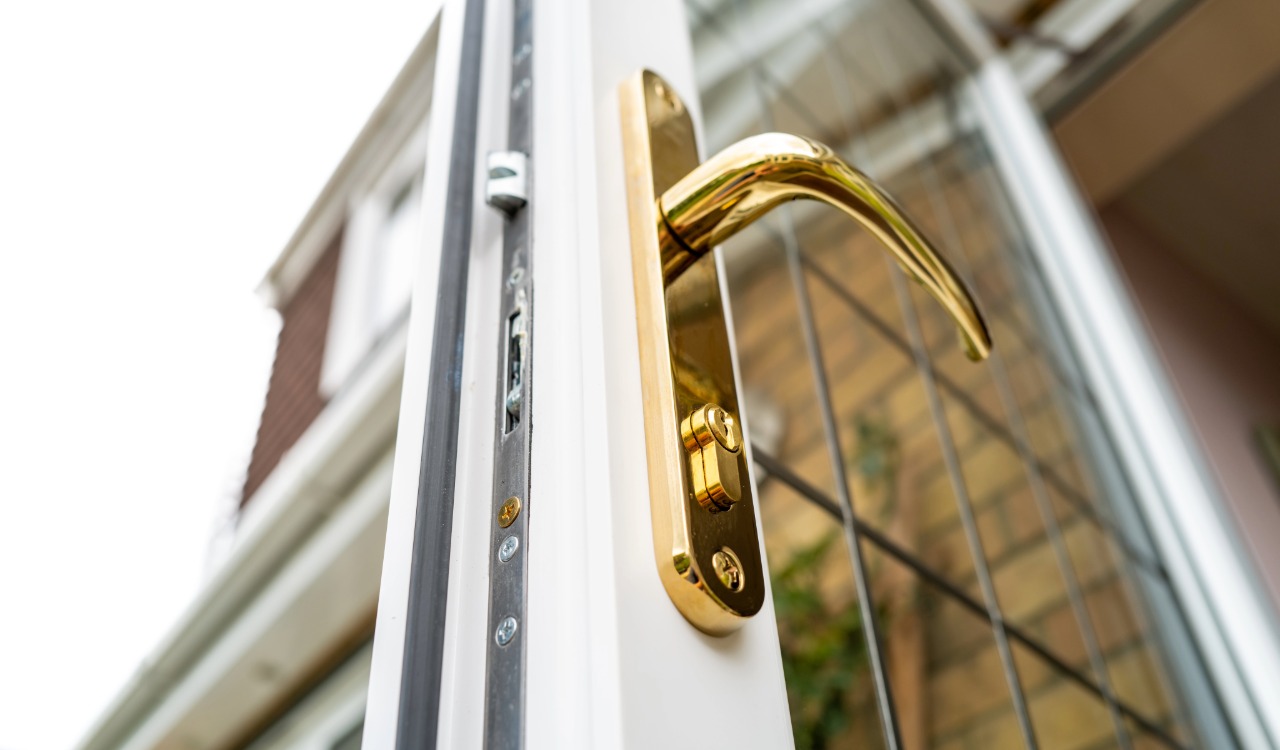
Many uPVC doors use a multipoint locking mechanism. Rather than securing the door at just one point, this system engages several locking points along the door frame. Depending on the design, these may include hooks, rollers, bolts or other locking components.
When you lift the handle and turn the key, the mechanism operates these locking points to secure the door. The key cylinder, handle, gearbox, locking strip, hinges and door alignment all play a part in making the system work correctly.
This is why a door that will not lock is not necessarily suffering from a faulty key cylinder. The problem could be caused by a misaligned door, worn internal components or a damaged handle.
Identifying the underlying fault is important. Replacing the wrong component can waste money without solving the problem.
Let’s take a look at some of the signs that indicate you may need to think about replacing your lock.
1. The Key Is Difficult to Turn
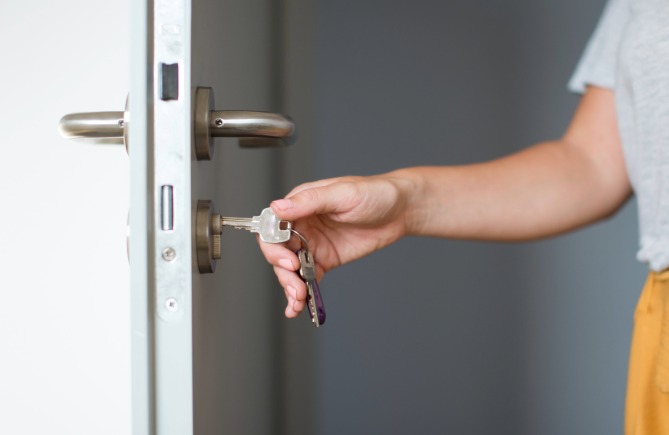
One of the most common signs of a developing lock problem is a key that feels stiff, catches in the cylinder or becomes difficult to turn.
You might notice that the key works normally on some occasions but struggles at other times. Alternatively, it may turn smoothly when the door is open but become stiff when you try to lock the door shut.
There are several possible explanations. The lock cylinder may be worn, the key could be damaged, or pressure from a misaligned door may be affecting the mechanism.
What can you check?
First, check whether the key is bent, visibly damaged or excessively worn. If you have a spare key, try it gently to see whether the same problem occurs.
You can also check whether the lock operates more easily when the door is open. If it does, the door or locking points may be misaligned rather than the cylinder itself being faulty.
Never force the key. Excessive pressure can cause it to snap inside the lock, potentially turning a relatively straightforward repair into a more complicated job.
Avoid using general-purpose oil or household lubricants unless the lock manufacturer specifically recommends them. The wrong product can attract dirt or affect the mechanism.
If the key remains stiff, contact a locksmith before the lock fails completely. Early attention may help prevent an inconvenient lockout.
2. The Door Handle Feels Loose or Drops Down
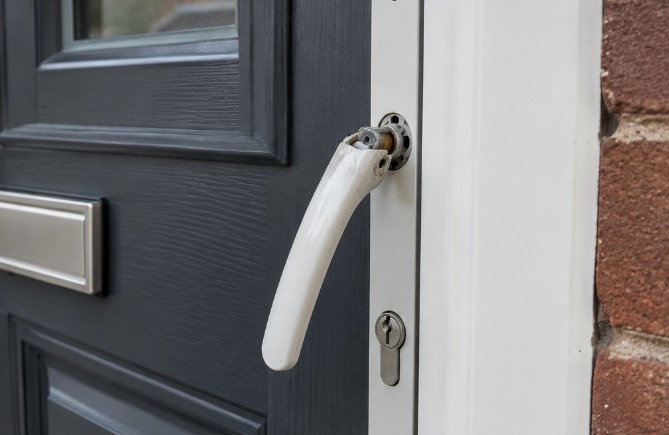
A loose uPVC door handle can be more than a minor annoyance. It may indicate that the handle assembly or the mechanism connected to it is beginning to wear.
You may find that the handle droops instead of returning to its normal position, feels wobbly when lifted or no longer operates the locking points as it should.
In some cases, the issue is related to loose handle fixings. In others, the internal gearbox or multipoint locking mechanism may be worn or damaged.
Is a loose handle easy to fix?
Some handle problems are relatively simple, but it is important to establish what has caused the fault before attempting a repair.
Repeatedly lifting or pulling a failing handle can place additional strain on the internal components. If the handle has stopped engaging the lock properly, avoid relying on it to secure your home.
At Lock Services, we recommend seeking professional advice if tightening accessible fixings does not resolve the issue or if the handle feels disconnected from the locking mechanism.
A handle that is becoming unreliable should not be ignored, especially if it affects your ability to lock the door securely.
3. Your uPVC Door Will Not Lock
Few door problems are as worrying as discovering that your front or back door will not lock.
You may be able to close the door but find that the key will not turn. Alternatively, the handle may lift only part of the way, or the locking points may fail to engage with the frame.
The cause could be a misaligned door, worn hinges, a faulty gearbox, damaged locking points or a problem with the cylinder.
Could the door be misaligned?
Yes. uPVC doors can move slightly over time as hinges wear, components settle or temperatures change. This can affect how the door meets the frame and how easily the locking points engage.
If the door locks properly when open but becomes difficult to lock when closed, alignment is one possibility worth investigating.
Do not repeatedly force the handle upwards or push the key harder in an attempt to overcome resistance. Doing so may damage the mechanism.
If your door cannot be secured, arrange professional assistance promptly. Where possible, remain at the property until you have a safe way to secure it, particularly if the door provides access to the street or garden.
Our locksmith services are a useful starting point if you need advice about a faulty lock or a door that will not secure properly.
4. The Key Turns, but Nothing Happens
Another frustrating fault occurs when the key turns but the door does not unlock or lock as expected. This can indicate a fault within the lock cylinder, a disconnected component or a damaged gearbox in the multipoint locking system.
Because these parts work together, it is not always possible to identify the cause from the outside.
Why professional diagnosis matters
Replacing the cylinder alone will not resolve every lock fault. If the gearbox or another part of the locking mechanism has failed, the underlying issue may remain.
A locksmith can inspect the system, identify which components are faulty and explain the available repair or replacement options.
We believe in taking a practical approach to lock problems. The aim is to identify the fault and find an appropriate solution, rather than replace parts unnecessarily.
5. Your Key Has Snapped Inside the Lock
Keys can break when they become worn, bent or subjected to excessive force. A key that has been difficult to turn for some time may be particularly vulnerable.
If a key snaps inside your uPVC door lock, the remaining piece may prevent you from using the cylinder normally.
Should you try to remove it yourself?
If a piece of the key is protruding, it may be tempting to pull it out with pliers. However, pushing at the broken section or inserting unsuitable tools can drive it further into the cylinder.
Avoid attempting to turn the lock with another key while the broken piece remains inside. This can make the situation worse.
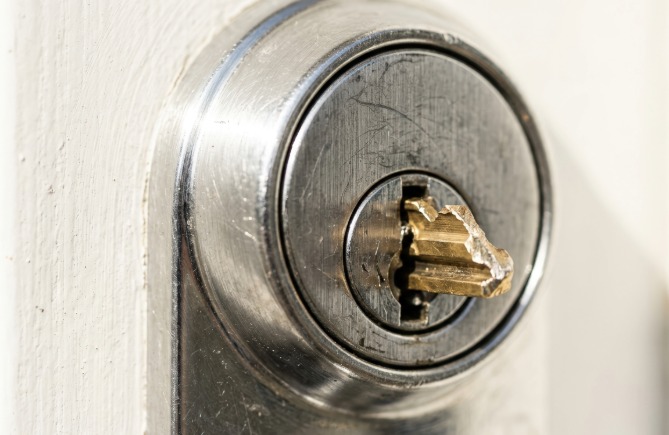
A locksmith has specialist tools for assessing and extracting broken keys. Depending on the condition of the cylinder and the position of the broken piece, extraction may be possible without replacing the entire lock.
If your key has snapped, professional key extraction can help you avoid unnecessary damage.
6. The Door Handle Lifts, but the Locking Points Do Not Engage
With many multipoint uPVC locks, lifting the handle operates the locking points before the key is turned to secure the mechanism.
If the handle lifts but the locking points do not engage, the issue may be related to the gearbox, locking strip or another internal component.
You might notice that the handle suddenly feels lighter than usual, moves without resistance or fails to reach its normal position.
These symptoms should not be ignored. The door may look closed while the locking mechanism has not properly secured it.
Avoid repeatedly forcing the handle, as this may cause further damage. A locksmith can check whether the mechanism can be repaired or whether a replacement component is needed.
When Should You Call a Locksmith?
Some minor issues can be identified through simple checks, but there are situations where professional assistance is the safest and most sensible option.
Consider contacting us if:
- Your key is repeatedly stiff or difficult to turn.
- Your door will not lock or unlock reliably.
- The handle is loose, drooping or no longer operates the lock.
- Your key has snapped inside the cylinder.
- The locking mechanism appears to have failed.
- You are locked out because of a faulty uPVC door lock.
- Your door has become misaligned and puts pressure on the locking points.
- Your lock or door has been damaged during an attempted break-in.
- You are concerned that your current lock does not provide an appropriate level of security.
If your door cannot be secured, treat the situation as a priority. If you suspect an attempted break-in, avoid disturbing any evidence and contact the police where appropriate.
At Lock Services, our focus is on helping customers find a practical way forward, with clear advice about the issue and the work that may be required.
Choosing a Secure Replacement Lock
If your uPVC lock needs replacing, it is worth looking beyond the price of the cylinder alone.
Consider the following:
– Compatibility: The replacement must suit your existing door and locking mechanism. A cylinder that is the wrong size or specification may not fit correctly.
– Security performance: Look for recognised testing and certification where appropriate. The right product depends on whether you are replacing a euro cylinder, a complete lock assembly or another component.
– Cylinder protection: Anti-snap features can be a useful consideration for compatible euro-cylinder locks, particularly where the cylinder may be vulnerable to snapping attacks. The correct installation and cylinder dimensions matter too.
– Insurance requirements: Check your policy if your insurer specifies particular lock types or security standards.
– Professional fitting: Correct fitting helps ensure the lock operates properly and that its security features work as intended.
For more information about lock-cylinder performance, BS EN 1303 explains the standard covering cylinder locks and their keys. Standards can change, so check the current edition and the product’s specific certification before making a purchasing decision.
Frequently Asked Questions About uPVC Door Locks
Here are answers to some of the questions we commonly associate with faulty uPVC door locks and the decisions homeowners may need to make.
A stiff lock may be caused by a worn key, a faulty cylinder, a misaligned door or a problem with the multipoint locking mechanism. If the key is difficult to turn repeatedly, avoid forcing it and arrange an assessment.
This often suggests that the door may be misaligned or that the locking points are under pressure when the door meets the frame. A locksmith can help establish whether the problem is related to alignment or a faulty mechanism.
Yes, depending on the fault. Some problems can be resolved by repairing or adjusting a component, while others require a new cylinder, gearbox or multipoint mechanism. The correct solution depends on the condition of the lock and door.
Possible signs include a handle that moves without engaging the locking points, a key that turns without operating the mechanism, or a door that will no longer lock or unlock correctly. These symptoms can have other causes, so an inspection is the best way to confirm the fault.
If you cannot account for your keys and are concerned that someone else could use them, changing the lock or cylinder may be sensible. The right option depends on the type of lock and your security requirements.
Anti-snap cylinders can help protect compatible locks against a particular method of attack. However, they are not a complete security solution on their own. Correct sizing, fitting and the overall condition of the door and locking system are also important.
Stop if the key is bending, the handle is becoming harder to operate, the lock is making unusual noises or the door will not open despite normal operation. Repeated force can damage the mechanism. Contact a locksmith if the fault persists.
Final Thoughts: Do Not Ignore the Early Warning Signs
A faulty uPVC door lock may start with something small, such as a stiff key or a handle that feels slightly different. It can be tempting to put the problem off while the door still works occasionally. However, these early warning signs can indicate wear or a developing mechanical fault.
At Lock Services, we believe that prompt attention, practical advice and a suitable repair can make all the difference. Whether your door needs further investigation, a component repair or a replacement lock, understanding the cause is the first step towards restoring reliable operation and peace of mind.
If your uPVC door lock is giving you trouble, do not wait until you are locked out or unable to secure your home. Contact Lock Services today to discuss your locksmith requirements and find out how we can help.